


Every individual purchases many different products to meet their needs. These purchased products are often packaged.
Packaging, which previously only served to preserve and transport the product, has now become a tool for promoting and explaining the product, as well as being able to store the product inside in a clean manner. In parallel with the hygiene needs of societies that have developed over the years, the usage area of packaging in our daily lives is constantly expanding. Many products, from food to cosmetics, from flowers to furniture, are purchased with their packaging, and if these packages are not recycled, they become a great risk for the environment.
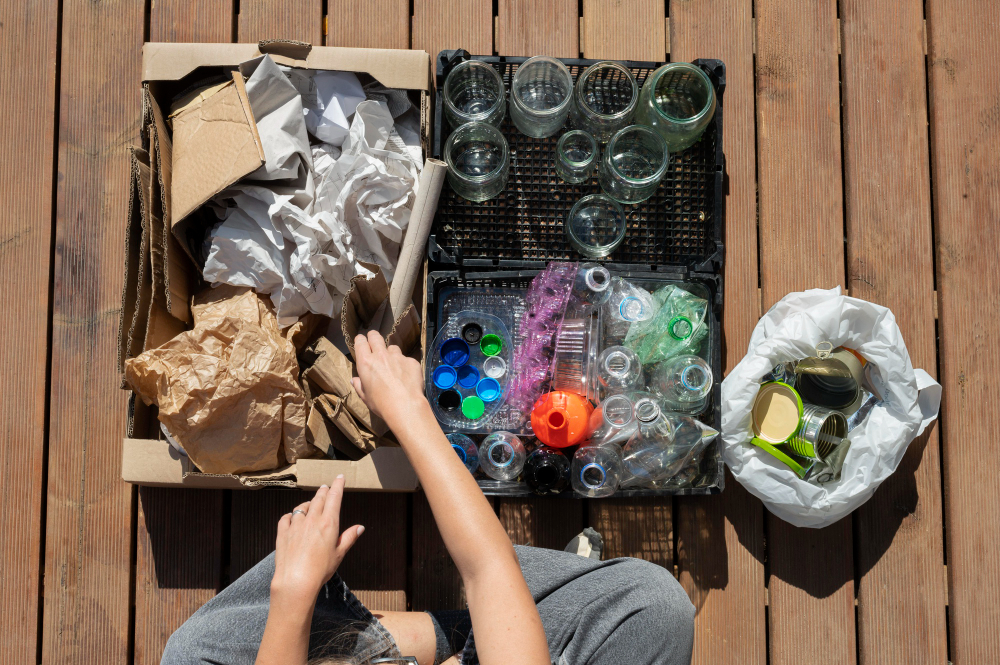
When we consume packaged products, what remains is packaging waste. Food, cleaning product packaging, milk and juice boxes, glass or plastic bottles, glass jars of canned food, tomato paste, honey or jam, tin and metal cans, aluminum beverage cans, etc. The packaging of any product, small or large, that you can think of turns into packaging waste after the product is used.
In order for packaging waste to be recycled, it is sufficient to collect it separately from garbage and throw it into recycling bins. We can start the recycling process by collecting the packaging waste in a separate bag at home and throwing the collected packaging waste into the packaging waste bins closest to our home. Packaging waste in money boxes is collected by municipalities or contracted companies, and after detailed separation, it is shipped to the relevant recycling facilities.


